Shared microbiome features between systemic lupus erythematosus and inflammatory bowel disease

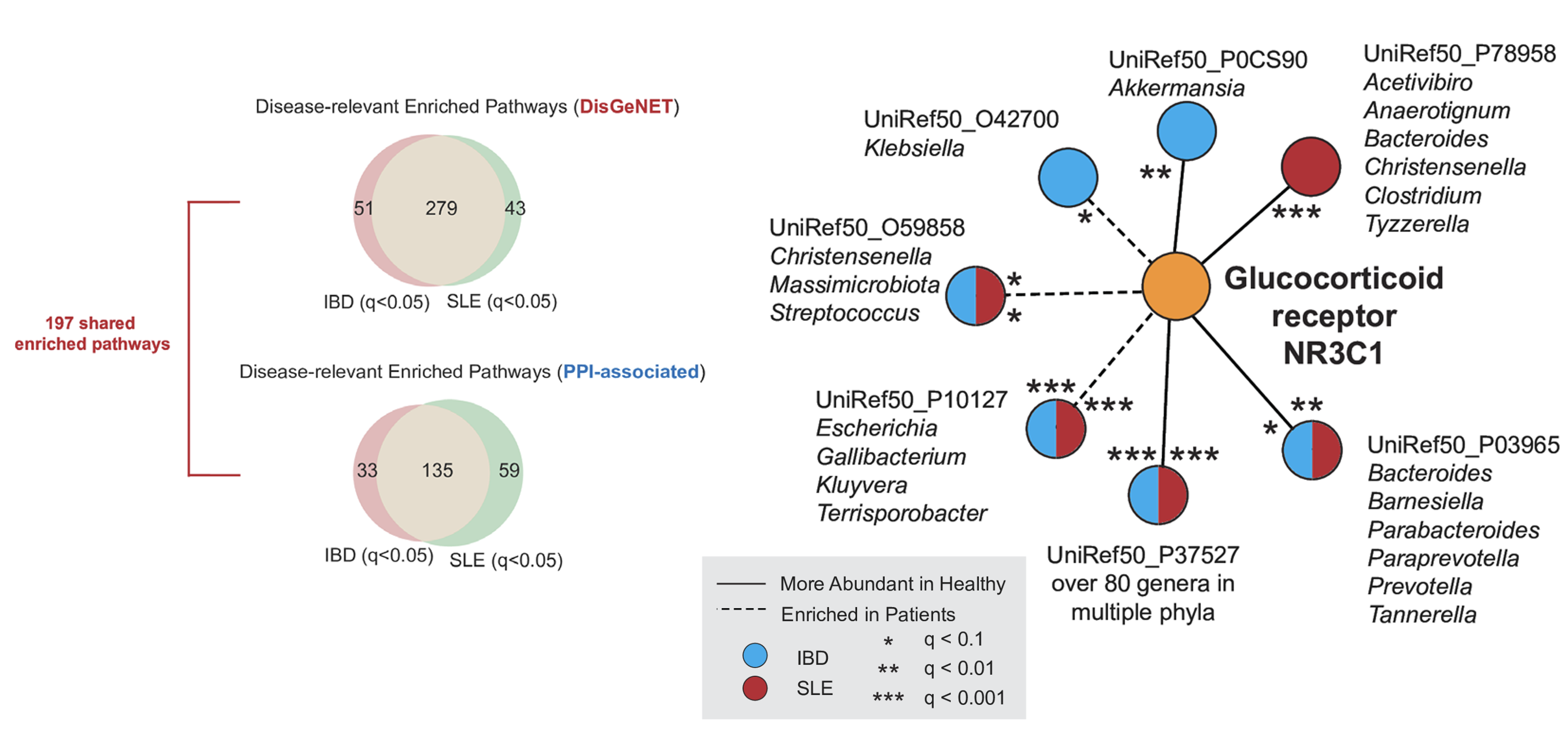
In our study, we explored the gut microbiome across several autoimmune diseases, focusing particularly on systemic lupus erythematosus (SLE) and inflammatory bowel disease (IBD). We found that these two conditions share a strikingly similar set of microbial signatures distinct from other autoimmune disorders. These microbes may affect critical immune pathways, such as glucocorticoid signaling and interleukin-12, potentially disrupting the body’s natural immune response and fueling disease progression. By analyzing metagenomic data, we revealed that certain bacteria may interact with host proteins, which could influence immune system function!
September 2024 · 2 min · 322 words · Hao Zhou
Spatial transcriptomics study of P. aeruginosa

Spatial transcriptomics identifies novel P. aeruginosa virulence factors

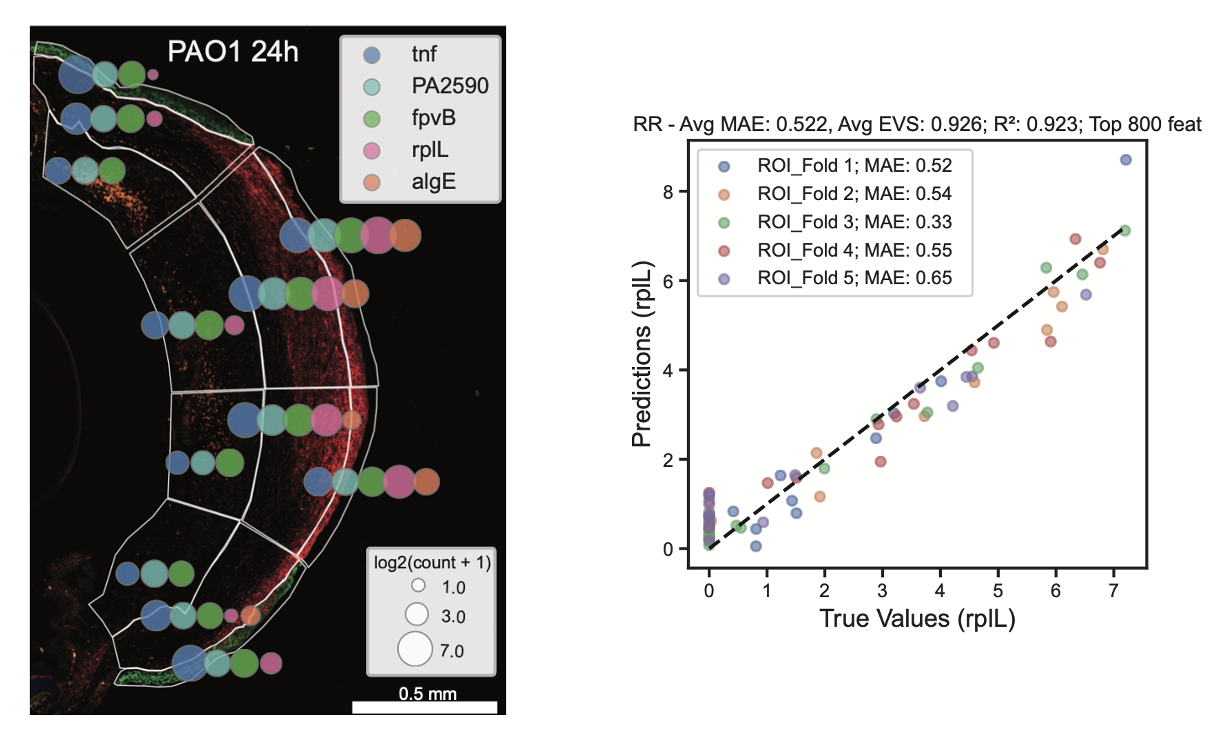
We used spatial transcriptomics to map the battlefield between Pseudomonas aeruginosa and host tissues during eye infections. By pinpointing where bacterial and host genes are active, we discovered a new virulence factor, PA2590, which plays a crucial role in infection. Our findings highlight the dynamic interplay between pathogens and hosts, offering new targets for combating bacterial infections!

June 2024 · 2 min · 258 words · Hao Zhou
Spatial transcriptomics study of P. aeruginosa

Host-microbiome protein-protein interactions capture disease-relevant pathways

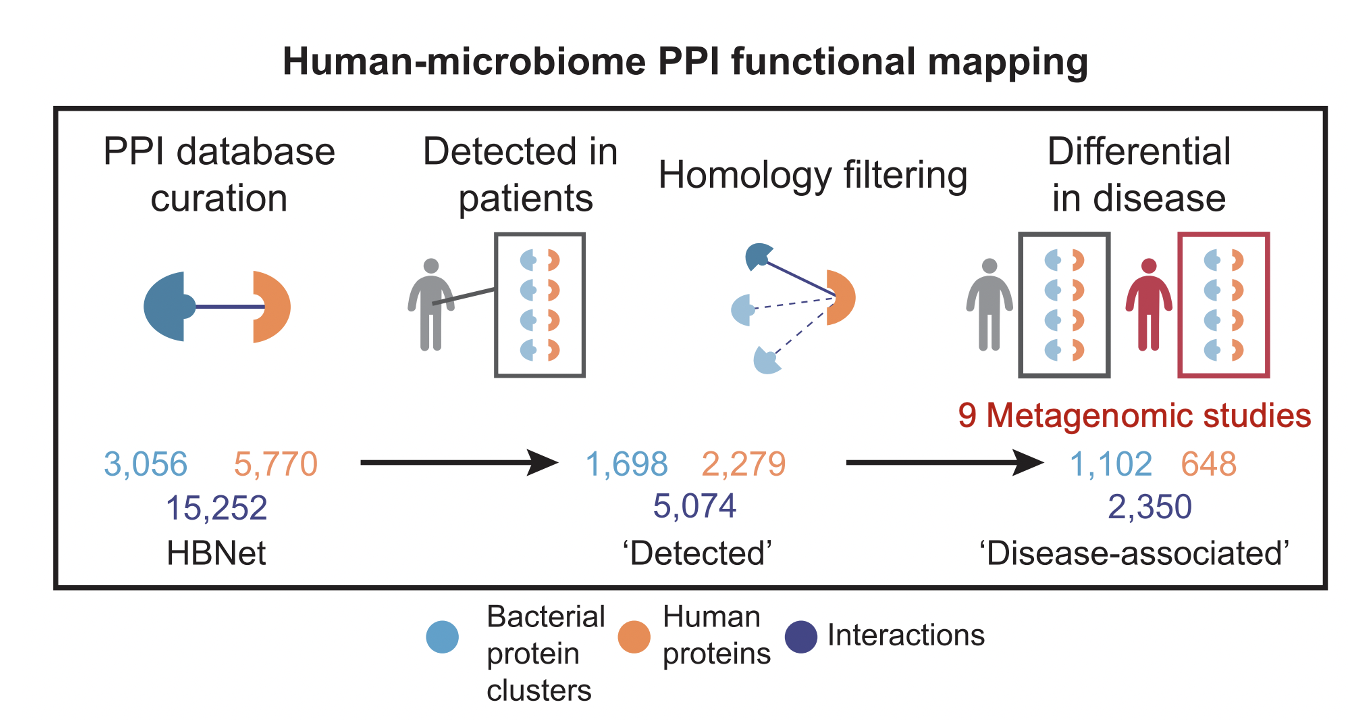
We delved into the intricate dance between host and microbiome proteins to uncover disease-relevant pathways. By mapping interactions between human and bacterial proteins, we identified key connections that could illuminate the roles of gut microbes in conditions like IBD, colorectal cancer, obesity, and diabetes. Our findings offer exciting possibilities for targeting these interactions to improve health outcomes and shed light on the hidden mechanisms of microbiome-related diseases!

June 2022 · 1 min · 142 words · Hao Zhou
Spatial transcriptomics study of P. aeruginosa

Functions predict horizontal gene transfer and the emergence of antibiotic resistance

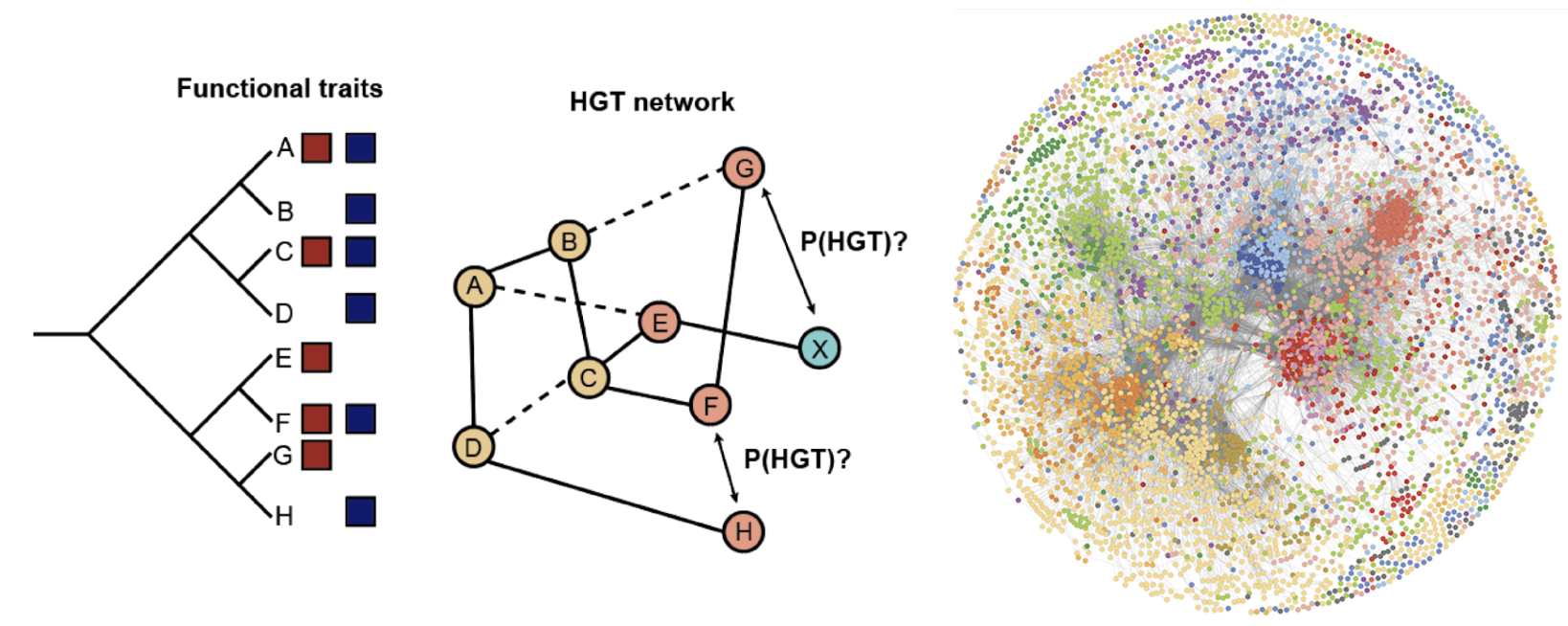
We leveraged machine learning to unravel the complexities of how bacteria trade antibiotic resistance genes. By diving deep into bacterial genomes, we discovered that these gene swaps are far from random; they follow predictable patterns. This insight could lead to innovative strategies to curb antibiotic resistance, making our fight against superbugs smarter and more effective!

May 2022 · 1 min · 202 words · Hao Zhou